Picking where to stay in Tokyo trips up almost every first-time visitor. The city is enormous, there is no single obvious center, and each neighborhood offers a completely different experience and price level. Stay in one district and you get neon-lit nightlife until dawn; choose another and you wake up beside a centuries-old temple. The right base depends entirely on what you want from your trip.
This guide breaks down the best areas to stay in Tokyo for first-time visitors, district by district. We compare Shinjuku, Shibuya, Ginza and Tokyo Station, and the traditional, budget-friendly streets of Asakusa and Ueno, with typical nightly prices for each. We also cover when to book, because cherry blossom season and autumn foliage fill the most popular hotels months in advance. By the end, you should be able to match a neighborhood to your priorities and reserve with confidence.
Best Areas to Stay in Tokyo at a Glance
Tokyo confuses first-time visitors because it has no single center the way Paris or Rome does. Instead, the city is a collection of districts that each function like a small city of their own. Shinjuku, Shibuya, Ginza, Tokyo Station, Asakusa and Ueno all work perfectly well as a base, and each attracts a different kind of traveler with a different budget.
One loop line ties it all together
Here is the good news: the JR Yamanote loop line links most of these districts in roughly 10 to 25 minutes. That means no choice is truly wrong. If you stay in Shinjuku but fall in love with Shibuya’s cafes, you can be there in minutes. The loop makes Tokyo far more forgiving than its size suggests, so you can stop worrying about picking the “perfect” spot and focus on matching a district to your priorities instead.
Match the district to your priorities
Start by asking what matters most on your first trip. If you want nightlife, late dinners and easy airport and day-trip connections, Shinjuku is hard to beat. If you are drawn to pop culture, shopping and youthful energy, look at Shibuya and nearby Harajuku. If polished comfort, department stores and refined dining appeal to you, Ginza or the hotels around Tokyo Station fit the bill. And if you are traveling on a budget or want temples and traditional streets on your doorstep, Asakusa and Ueno offer the best value in the city.
Price is the other big factor. The same chain hotel can charge noticeably different rates depending on the district, and luxury and budget options cluster in different neighborhoods. The sections below walk through each area in detail, covering what it feels like after dark, what is within walking distance, and what a typical double room costs per night.
Shinjuku: Best for Nightlife and Transport
Shinjuku is Japan’s busiest rail hub, and that alone explains why so many first-time visitors base themselves here. Dozens of train and subway lines converge on the station, including direct connections to major sightseeing spots and to both of Tokyo’s airports. If your itinerary involves a lot of moving around, or you arrive exhausted at Narita or Haneda and want the simplest possible ride to your hotel, Shinjuku removes most of the friction.
Food, neon and late nights
Step out of the station and the city hits you immediately. Kabukicho, the entertainment district east of the station, packs in restaurants, bars, arcades and karaoke at a density that is genuinely hard to describe until you see it. A short walk away, Omoide Yokocho is a narrow alley of tiny yakitori counters under the train tracks, where you can squeeze in next to locals for grilled skewers and a beer. You could eat out every night for a week and barely scratch the surface.
What surprises many visitors is how close the quiet is. Shinjuku Gyoen, a large and beautiful garden on the district’s edge, offers lawns, ponds and seasonal flowers just minutes from the neon. It is a favorite spot for a slow morning before the crowds build.
What to expect from your stay
Mid-range doubles in Shinjuku typically run ¥15,000-30,000 per night, which puts it at the middle of Tokyo’s price range. The trade-off is atmosphere: expect crowds, towering neon signs and constant motion rather than tradition or charm. If that energy excites you rather than exhausts you, Shinjuku is an excellent first base.
Shibuya: Best for Youth Culture and Shopping
Shibuya is the center of Tokyo’s youth culture and, for many travelers, the image of the city they carry home. The famous crossing outside the station, where hundreds of people scramble in every direction each time the lights change, is worth seeing at least once, ideally from above at dusk. The surrounding blocks are packed with fashion flagship stores, music shops, arcades and some of the city’s most creative street food.
Harajuku and Omotesando on your doorstep
One of Shibuya’s biggest advantages for first-timers is what sits within walking distance. Head north and you reach Harajuku, where Takeshita Street crams crepe stands, vintage clothing stores and colorful snack shops into a pedestrian lane that buzzes on weekend afternoons. Continue a few minutes further and the mood shifts completely: Omotesando’s tree-lined avenue and side streets hold elegant boutiques, cafes and flagship architecture that feel almost European. You can cover all three moods in a single afternoon without touching a train.
Evenings on foot
Shibuya is at its best after dark, and everything is walkable from your hotel. Shops stay open into the evening, izakaya fill the lanes behind the station, and the area around the crossing stays lively well past midnight. If you want energy on your doorstep, somewhere you can pop out for ramen at 10 p.m. or browse a convenience store in your slippers, this is your district. It is less convenient for traditional sightseeing than Asakusa, but the loop line makes swapping neighborhoods easy.
On price, Shibuya sits alongside Shinjuku: mid-range doubles typically cost ¥15,000-30,000 per night. Booking early matters here, because the most conveniently located hotels fill up fastest in busy seasons.
Ginza and Tokyo Station: Best for Upscale Comfort
If you want your Tokyo stay to feel a little more refined, this eastern corner of the city is the place to look. Ginza is famous for its department stores, art galleries and polished dining rooms, from sushi counters to elegant tea salons. The streets are wide and pleasant to walk in the evening, when several main thoroughfares go car-free on weekends, and the atmosphere is noticeably calmer than in Shinjuku or Shibuya.
Prices match the mood. Luxury doubles here typically start around ¥35,000 per night, so this area suits travelers celebrating something special or simply prioritizing comfort and service over nightlife.
Why Tokyo Station matters for your itinerary
Just next to Ginza, the hotels clustered around Tokyo Station offer a practical advantage no other district can match: the easiest access to the Shinkansen bullet trains. If your trip includes day trips beyond the city, to destinations like Hakone or Nikko, stepping out of your hotel and onto a northbound or southbound train within minutes is a genuine luxury.
The trade-off is that the area quiets down after business hours, with fewer izakaya and late-night options than the districts on the Yamanote loop’s west side. For many travelers, though, that calm is exactly the point: restful nights, easy mornings and smooth departures.
Asakusa and Ueno: Best for Tradition and Budget
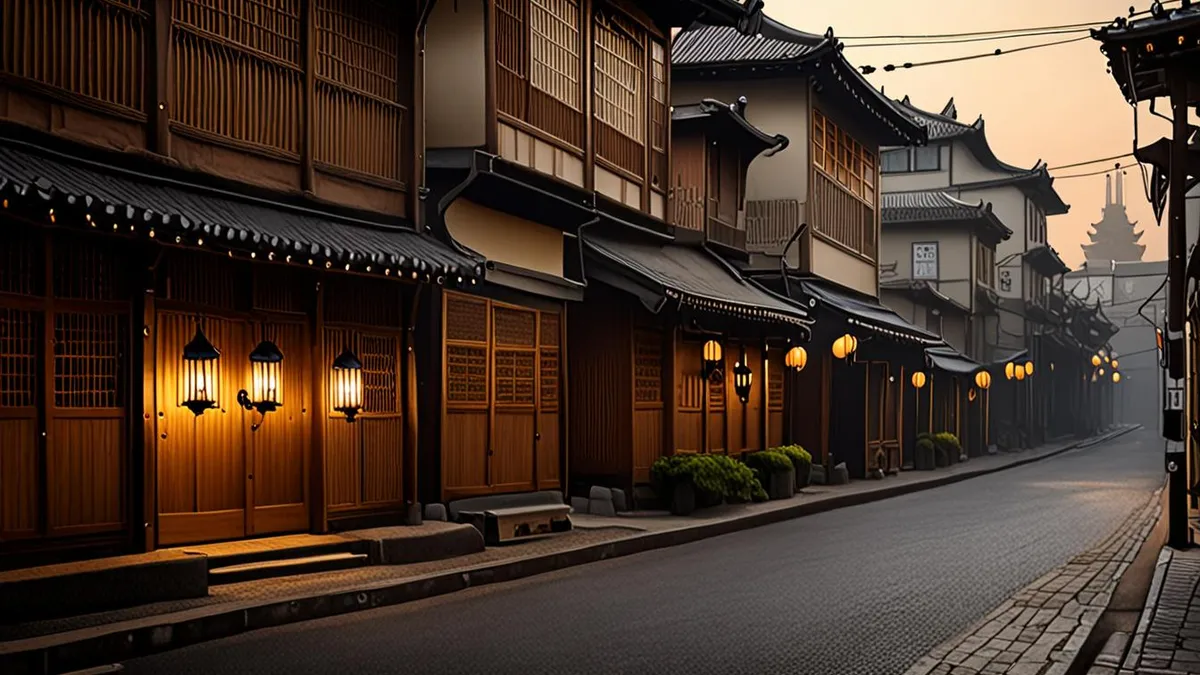
For many first-time visitors, the eastern side of the city delivers the Tokyo they imagined before they ever booked a flight. Asakusa puts Sensō-ji temple and its surrounding old Edo-style streets within easy walking distance, so you can stroll past traditional snack stalls and souvenir shops before the day crowds arrive, or enjoy the temple grounds lit up in the evening.
The neighborhood has a friendly, lived-in feel. You’ll find ryokan-style rooms, small family-run hotels and straightforward business hotels, which is one reason rates here stay reasonable.
Ueno: museums, markets and gentler prices
A few stops away, Ueno adds its own attractions: major museums, the spacious park and the lively Ameyoko market street, where food stalls and bargain shops pack the alley beneath the rail line. It’s a practical base too, with several train and subway lines converging here.
The biggest draw for budget-conscious travelers is the pricing. Doubles from roughly ¥8,000-15,000 per night make this the value choice for first-timers, often at half the cost of a comparable room in Shinjuku or Shibuya. The JR Yamanote loop still connects you to the rest of the city in minutes, so you sacrifice little in exchange for the savings.
When to Book: Seasons and Lead Times
Tokyo’s hotel calendar follows the seasons more closely than most first-time visitors expect. Two short windows dominate the year: cherry blossom season in late March to early April, and the autumn foliage peak around mid-November. Both attract huge numbers of domestic and international travelers, and rooms in the most popular districts sell out fastest during these periods.
The practical rule is simple: reserve 3-6 months ahead for both peak seasons. This matters most in Shinjuku and Shibuya, where demand is heaviest, but even value areas like Asakusa and Ueno fill up quicker than usual. Booking early doesn’t just secure a room; it also gives you a real choice of neighborhoods instead of whatever is left.
Summer works differently. From June through August the city turns hot, humid and rainy, which keeps many travelers away and pushes hotel rates to their lowest levels of the year. If you don’t mind the weather, it’s the easiest and cheapest time to book, often with more flexible lead times.
Quick booking tips
- Cherry blossom season: the busiest and most expensive hotel period of the year, so consider locking in refundable rates as early as possible rather than waiting for sales.
- Autumn foliage: expect similarly tight availability around mid-November, and check cancellation policies carefully in case your travel dates shift.
- Summer: pack for humidity and sudden rain, and use the softer demand to book a nicer room or a better-located hotel than your budget would normally allow.
Choosing Your Tokyo Base
Tokyo feels overwhelming at first because it has no single center, and each district delivers a completely different experience at a different price. The good news is that the choice gets simple once you match a neighborhood to your priorities. Shinjuku and Shibuya suit nightlife lovers, Ginza and Tokyo Station suit comfort seekers, and Asakusa and Ueno suit travelers chasing tradition and budget rates.
Timing matters too. Peak-season trips around cherry blossom and autumn foliage need 3-6 months of lead time, while summer stays can be booked later at lower rates. And whichever district you pick, the Yamanote loop keeps the whole city within a short ride, so no choice is truly wrong. If this guide helped you plan your trip, leave a comment or share it with a fellow traveler.