Every traveler has been there: you book an all-inclusive resort expecting one simple price, then find out the good rum, the Japanese restaurant and even the Wi-Fi cost extra. The label “all-inclusive” covers a wide range of packages, and comparing them without a system leads to guesswork, surprise charges and disappointment at check-in.
This practical guide walks you through the decisions that matter most. You’ll learn how to figure out what a rate actually covers, how to match a resort style to your travel group, and how to pick the right destination and season. We’ll also cover setting a realistic budget, timing your booking for the best rate, and reading reviews for the details that reveal a resort’s true quality. A final checklist pulls everything together so you can compare options with confidence before you pay a deposit.
Decide What ‘All-Inclusive’ Should Cover for You
Two resorts can both call themselves all-inclusive and deliver completely different vacations. The label usually covers meals, drinks and most on-site activities, but the details vary enormously. Some rates include premium alcohol, specialty restaurants and 24-hour room service; others limit you to house brands, buffet dining and fixed meal hours. Before comparing prices, ask exactly what each package includes, because a cheaper rate with more exclusions can quickly become the more expensive trip.
Activities deserve the same scrutiny. Most all-inclusive resort packages cover non-motorized water sports, so kayaks, snorkel gear and paddleboards are typically part of the deal. Spa treatments and motorized sports, on the other hand, almost always cost extra and can add a serious amount to your final bill.
The extras that sneak onto your bill
Finally, clarify whether tips, airport transfers and Wi-Fi are bundled into the rate. When these are excluded, they commonly add $20-50 per day for a couple, which changes the math between two seemingly similar resorts. A quick email to the resort or your travel agent listing these specific items will get you answers you can actually compare.
Match the Resort Style to Your Travel Group
The best resort for a honeymoon is rarely the best resort for a family with toddlers, and most properties are clearly built for one or the other. Family-focused resorts offer kids’ clubs, family suites and pools designed for splashing, while adults-only properties suit couples seeking quiet, whether that means an adults-only pool, late-night bars or simply fewer cannonballs in the water. Trying to split the difference usually leaves both groups frustrated, so decide your group type first and filter your search from there. Adults-only and family-focused resorts rarely suit both traveler types, so this choice shapes almost everything else about your stay.
Size matters just as much. Large resorts of 400+ rooms deliver more dining and entertainment options, but you may walk far between venues and share every pool with hundreds of other guests. Boutique properties under 100 rooms offer personal service and a calmer pace, with staff who often remember your name by day two. The trade-off is a more limited choice of restaurants and activities, which can matter on a week-long stay.
- Age minimums vary by property: adults-only resorts often set their minimum at 16 or 18 years, so verify the exact rule if you’re traveling with older teens before you book.
- Kids’ club hours and age ranges differ: some clubs accept infants, others start at age four, and many close in the early evening, which affects whether parents actually get the downtime they’re counting on.
- Family suites aren’t universal: at some resorts a family of four means one standard room with rollaway beds, while others offer true multi-room suites, so check the room configurations, not just the price.
Pick the Right Destination and Season
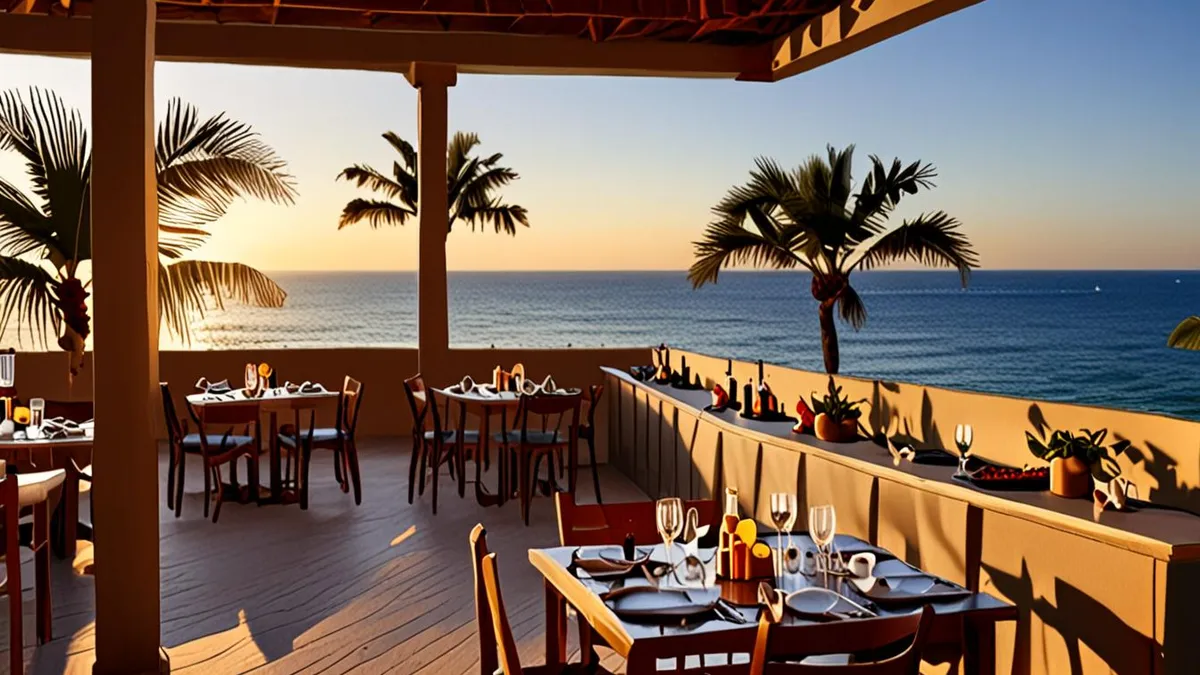
Where and when you travel shapes both your experience and your price. Caribbean high season runs from mid-December to mid-April, and it brings the region’s best weather: lower humidity, less rain and reliable sunshine. The trade-off is the highest prices of the year and busier pools and beaches, so during these months your money simply buys less than it would at other times.
If weather certainty matters to you, avoid the August-October peak of hurricane season. Hurricane season in the Caribbean runs June through November overall, but those late-summer months carry the highest risk of disrupted plans.
The shoulder season sweet spot
For a balance of decent weather and better rates, aim for the shoulder windows of late April through June or September through November. Resorts often cut rates 20-40% during these periods to keep rooms filled, which can mean an upgrade in room category for the same budget. Just watch local rainfall patterns for your specific island, since shoulder conditions vary by destination.
Destination details matter too. Compare beach quality, since a calm, swimmable beach makes or breaks a resort stay. Check the distance from the airport, because a long transfer eats into your first and last day. And decide whether you want an isolated property with everything on-site or a resort near town, which makes excursions and local restaurants easier to reach.
Set a Realistic Budget Per Person Per Night
Most travelers underestimate what an all-inclusive actually costs, so start with a realistic anchor. Standard all-inclusive resorts in popular beach destinations typically run between $250 and $600 per person per night. Luxury tiers, where butler service and premium everything are the norm, generally start around $800 per person per night and climb from there.
Calculate the true total, not just the nightly rate
The nightly rate is only part of the picture. Add your flights, airport transfers and any paid excursions to the total before you compare resorts. A package that looks like a bargain can lose its shine once you add a $150 snorkeling trip and two taxi rides, so build a full trip budget on paper before you commit.
Does the package actually save you money?
Run an honest comparison against the a la carte alternative. Price out a comparable hotel, plus restaurant meals, drinks and activities for each day of your stay. The all-inclusive package wins mainly when you drink and dine on-site daily. If you plan to eat out most nights, explore local restaurants or barely touch the included bars, you may pay a premium for inclusions you never use. Be honest about your habits: heavy poolside cocktail days favor the package, while adventurous travelers who leave the resort often do better booking separately.
Time Your Booking for the Best Rate
Booking at the right moment can save you hundreds of dollars and, just as importantly, get you the room category you actually want. All-inclusive resorts manage inventory carefully, and the most attractive rooms — the ones closest to the beach, with the best views or the most space — tend to sell out first. Here is how to time your reservation.
- Book early for peak season. For Caribbean stays during the December-April high season, aim to book 6-11 months ahead. This secures both the rate and the room category, since the best-value rooms sell out first and prices tend to rise as availability shrinks. Booking early also gives you time to request special arrangements, such as connecting rooms for kids or a higher floor, which are much harder to arrange once a resort is filling up.
- Watch for wave season deals. Between January and March, resorts release promotions, discounts and added perks for the coming year. These offers often include added value like resort credits, room upgrades or reduced deposits rather than a simple rate cut. If your dates are flexible, this is often the best window to lock in a peak-season booking at a reduced price.
- Skip last-minute gambles in high season. Waiting until the final weeks before a peak-season trip rarely saves money. Instead, you will typically pay similar or higher rates and be left choosing from whatever rooms remain, which often means the least desirable categories — near elevators, facing parking lots or far from the water.
If your travel dates fall in a quieter part of the calendar, you have more flexibility, but the same principle holds: earlier booking gives you better room choice. Set a price alert or check a few times between booking and departure, since some resorts honor better published rates if you ask politely. A quick, friendly email to the resort or your travel agent before your final payment is often all it takes.
Read Reviews for the Details That Matter
Reviews can make or break your decision, but only if you read them the right way. A resort that thrilled a honeymooning couple may frustrate a family with toddlers, and a glowing review from several years ago tells you almost nothing about the property today. Start by filtering for recent feedback, ideally from the last 6-12 months, and pay special attention to comments written after any recent renovation or change in management. Older praise for food quality, room condition or service consistency may simply no longer apply, so treat dated compliments with healthy skepticism.
Then look for reviewers who resemble you. Families should read what other families say about the kids’ club, pool crowding and evening entertainment; couples should focus on reviews about noise levels and the adult atmosphere. Experiences differ sharply by traveler type, so weight the opinions of people whose trip looks like yours rather than the overall average score.
Finally, watch for these specific red flags and green lights in the comments:
- Surprise charges on final bills. Search reviews for mentions of unexpected fees appearing at checkout, such as minibar items or activities the guest believed were included. Recurring complaints here suggest sloppy communication at the front desk.
- Specific dish and restaurant mentions. Reviews that name particular restaurants or repeat meals are more credible than vague praise like “great food.” They also tell you whether variety holds up over a week-long stay.
- Service consistency over time. Note whether reviewers who stayed in different months describe the same level of service. A pattern of complaints about slow check-in or unfriendly staff matters more than one isolated bad experience.
Your Checklist for Choosing an All-Inclusive Resort
Choosing an all-inclusive resort comes down to asking one question before you pay: what does “all-inclusive” actually include here? Because the label can mean anything from house-brand drinks and buffet meals to a full spread of specialty restaurants, premium alcohol and activities, the details are where the real comparison happens.
So work through the basics in order. Confirm what the rate covers, match the resort style to your group, and pick the season that fits your budget. Then book 6-11 months ahead for peak-season dates and verify recent reviews before paying the deposit. Do that, and you’ll be comparing resorts on facts instead of marketing language. If this guide helped you, leave a comment with your own tips or share it with someone planning their next trip.