Overwater bungalows look like a dream in photos: a thatched roof, turquoise water below, and a ladder leading straight into a lagoon. But many first-timers book one based on those images alone, then get surprised by the real costs, the logistics of reaching a remote island, and the small downsides nobody mentions, like a deck that faces the neighbor’s or a lagoon too shallow for swimming.
This guide walks you through what to expect before you commit. We’ll cover what an overwater bungalow actually includes, how much overwater bungalows cost once you add meals and transfers, when to book and when to go, how to choose the right destination, the practical checks to make before reserving, and the common surprises that catch first-timers off guard. Read it before you pay a deposit, and you’ll know exactly what you’re signing up for.
What an Overwater Bungalow Actually Includes
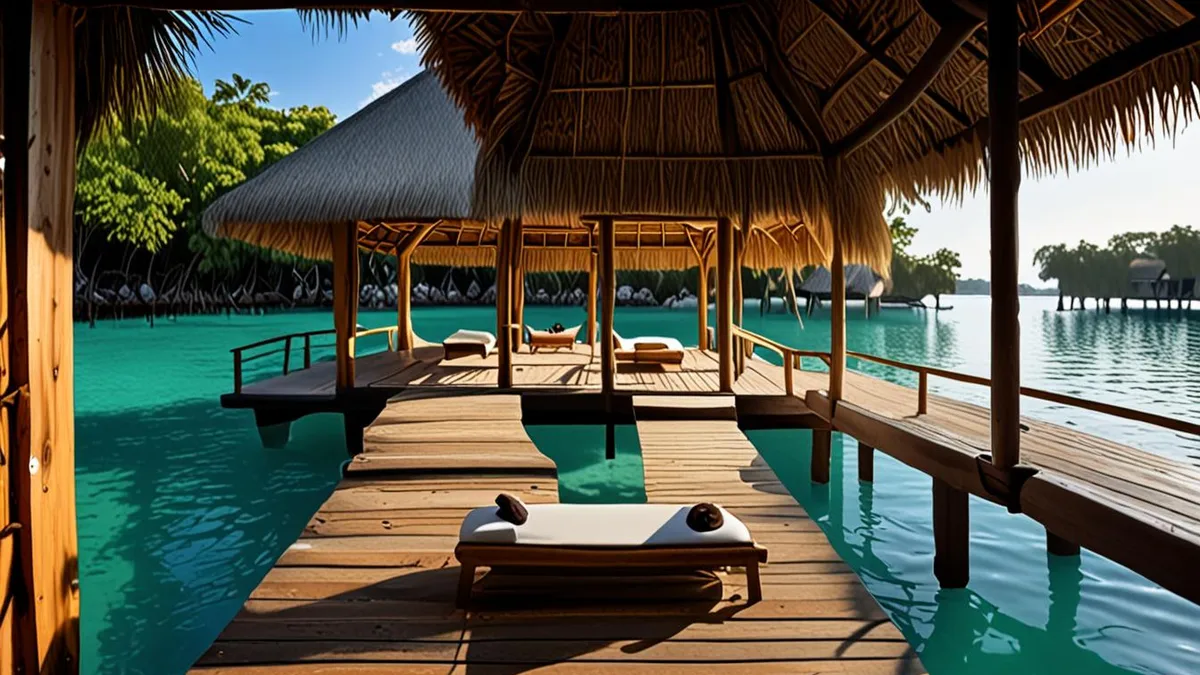
An overwater bungalow is a standalone villa built on stilts above a lagoon, not a hotel room with a water view. Most range from around 60 to 150 square meters and come with a private deck that becomes the center of your stay: sunbathing by day, stargazing by night. You step out of your door and you’re alone with the ocean, which is exactly what you’re paying for.
Features vary more than you’d think
The signature details you see in brochures, like glass floor panels, ladders for climbing straight into the lagoon, and outdoor showers, are not standard across every property. They often depend on the room category, so an entry-level overwater room at the same resort may skip the glass floor or plunge pool that the top-tier villas include. Check the specific category before you book, not just the resort’s marketing photos.
You’re usually on a private island
Many resorts with overwater bungalows occupy their own small islands, which shapes the whole experience. All dining, drinks and activities happen on site, and there’s no wandering into a local village for dinner or supplies. For most travelers this isolation is the appeal, but it’s worth understanding before arrival that your bungalow, your restaurant and your snorkel spot will all be part of the same self-contained world.
How Much Overwater Bungalows Cost
Overwater bungalows are a significant investment, and the nightly rate is only the starting point. Expect roughly $600 to $4,000+ per night depending on destination and season, with Tahiti and the Maldives sitting at the higher end of that range. That sounds like a lot, and it is, but the room rate rarely tells the whole story for a private-island stay. Before you commit, it helps to think of the nightly price as a base rather than a final number, because the true cost of the trip is shaped by everything you add on top of it.
Because most of these resorts are self-contained, nearly everything you consume during your stay is billed on top of the room. Budget beyond the room rate by planning for these extras:
- Meals and drinks: With no restaurants off-site, you’ll eat every meal at the resort. Over a week, food and beverages can add a substantial amount, which is why some travelers look at meal-plan options when comparing resorts.
- Transfers: Reaching a private island usually requires a boat or seaplane arranged by the resort, and these transfers are typically charged separately from your room.
- Activities and spa treatments: Snorkeling trips, diving, and resort spa services are all extras that are easy to underestimate when you’re planning from home.
Timing can soften the blow. Shoulder season stays in November or April can save 20 to 40 percent versus peak pricing, often with similar weather and quieter decks. If your dates are flexible, shifting your trip by a few weeks is the single easiest way to bring the total down. A practical approach is to draft a rough daily budget covering meals, one or two paid activities, and your transfer, then compare resorts on that total rather than the headline rate. Two properties with similar room prices can end up costing noticeably different amounts once food, drinks and extras are included, so asking for a sample all-in estimate before booking can save you an uncomfortable surprise at checkout.
When to Book and When to Go
Overwater bungalows are limited in number at every resort, so timing your booking matters as much as choosing the destination. Even large properties rarely have more than a handful of villas built over the water, which means the most desirable categories can disappear long before standard rooms do. A simple planning sequence will keep you from paying peak prices for leftover availability, or arriving in the middle of a region’s wet season when the lagoon you came for is gray and choppy.
- Decide your region and dates first. High season in most South Pacific and Indian Ocean destinations runs May to October, so if you’re targeting those months, plan around that window from the start.
- Reserve 6 to 12 months ahead for high season. The most desirable bungalow categories sell out earliest in these months, and early bookers get first pick of decks, views and features.
- Allow 3 to 6 months of lead time for shoulder season. Availability is easier in November or April-style windows, but the best-value categories still go first.
- Check the wet season for your chosen region. Every destination has one, and the months differ between the Maldives, French Polynesia and the Caribbean, so look up the specific pattern for where you’re going.
- Factor weather into your plans. Rain and wind affect lagoon visibility and water activities, so a poorly timed trip can dull the very snorkeling and swimming you booked the bungalow for.
It also pays to be flexible where you can. Shifting a stay by a week or two can sometimes move you out of the wettest stretch or into better pricing, and midweek arrivals occasionally open up options that weekend-heavy itineraries miss. If your dates are locked by school holidays or a special occasion, book even earlier rather than later, since those periods see the heaviest demand for the best villas.
Once your dates and lead time are set, you can move on to comparing destinations and specific resorts with realistic expectations about both price and conditions. A little calendar planning up front protects the experience you’re paying a premium for, and it gives you time to confirm the details that matter before someone else books the bungalow you wanted.
Choosing the Right Destination
If you want the biggest menu of overwater options, the Maldives is hard to beat. Dozens of resorts across hundreds of islands offer overwater villas in nearly every price tier, and getting there is straightforward: most properties arrange a seaplane or speedboat transfer from Malé that drops you right at your resort. The trade-off is that most islands are small and self-contained, so your trip revolves around one property.
Tahiti and French Polynesia deliver the classic South Pacific postcard: turquoise lagoons, dramatic green peaks and a slower island rhythm. Many travelers pair a stay on Tahiti itself with a stop in Moorea or Bora Bora, which keeps the trip varied without long travel days. If you want a sense of how polished French Polynesian resorts have become, this look at a Tahiti penthouse with sunset horizon views gives a feel for the region’s style.
Emerging alternatives
The Caribbean and parts of Southeast Asia have added overwater villas in recent years, and they can cost noticeably less than the Maldives or Tahiti. The catch is supply: many of these resorts have only a handful of overwater rooms, so availability is limited and they often sell out first. If a specific region matters more to you than a huge selection, they’re worth comparing against the two established heavyweights.
Practical Checks Before You Reserve
Overwater bungalows involve logistics that a standard beach room never does, so a few questions to the resort before you pay the deposit will save you headaches later. The biggest one is the transfer: most resorts reach their bungalows by boat or seaplane, and these transfers cost extra and are scheduled around your flight arrival and departure. Miss the timing window and you may be waiting at the airport or paying for an extra night.
Also ask exactly where your bungalow sits. Most overwater units are 200 to 500 meters from shore, reached by a walkway over the lagoon, but some resorts use boat access instead. If you like wandering to the pool or restaurant on a whim, ask how long the walk takes and whether the jetty is lit at night.
- Room category specifics: entry-level overwater rooms often skip the headline features, so confirm whether your exact category includes glass floor panels, a plunge pool or an outdoor shower rather than assuming the brochure photo applies.
- Swim-ability of the lagoon: some lagoons are too shallow for a proper swim at low tide, and others have strong tidal currents at certain hours, so ask when guests can comfortably get in the water.
- Transfer timing details: seaplanes in particular often stop at multiple resorts and may not run at night, which can force an overnight near the airport if your flight lands late.
None of these checks take more than an email or two, and they’re the difference between the stay you pictured and the one you actually booked.
Common Surprises First-Timers Should Know
The photos on resort websites rarely show you what sits next door. Privacy varies a lot between properties: some rows of bungalows are spaced widely and angled for seclusion, while others line up shoulder to shoulder, with your deck facing a neighbor’s deck or the resort’s main walkway. If privacy is a priority, ask for a bungalow at the end of a row or on the quiet side of the island, and request it in writing when you book.
Not all lagoons are equal
The house reef is where you’ll spend most of your water time, and its quality differs enormously from island to island. Some resorts have vibrant coral and fish steps from their jetty; others have sandy, lifeless lagoon bottoms that require a boat trip to reach good snorkeling. Read recent guest reviews specifically about snorkeling conditions before you choose, because this single factor shapes the whole stay.
Finally, remember what remoteness means in practice. Most overwater resorts are on private islands far from any town, so your dining options are limited to what the resort runs, and everything on site carries a premium: bottled water, cocktails, excursions, even laundry. Budget for that reality rather than assuming you can pop out for a cheap meal, and check whether meal plans are offered, since they often soften the sting of on-island prices.
Wrapping Up Your Overwater Bungalow Plans
That postcard-perfect photo can hide a lot, from transfer fees and on-island dining costs to bungalows that lack the glass floors you assumed came standard. The good news is that most disappointments are avoidable. Expect nightly rates of $600 to $4,000+, and treat that as a starting point rather than the full total for a private-island stay.
Book 6 to 12 months ahead for the best pick of villas, and keep the Maldives and Tahiti in mind as the most established regions for this style of stay. Before you pay the deposit, confirm your exact room category, the transfer timing and whether the lagoon in front of your deck is actually good for swimming. A few emails to the resort will answer most of these questions, and the replies will tell you a lot about the service to come. If this guide helped you plan your trip, leave a comment or share it with a fellow traveler.