Anyone planning glamping in the American Southwest eventually asks the same question: when is the desert actually comfortable enough to sleep outdoors? A canvas tent under the stars sounds dreamy until you’re sweating through a 100°F afternoon or shivering through a night that dips below freezing. Timing matters more here than in almost any other region, and picking the wrong season can turn a bucket-list trip into a battle with heat, monsoon storms or cold nights.
This guide walks you through each season so you can match your trip to your comfort level and budget. We’ll break down why season matters so much, cover the mild spring and fall windows that book out fastest, explain what summer heat and monsoon season really feel like, look at winter’s trade-offs and savings, and share practical tips for when and how to book the best sites. By the end, you’ll know exactly which months fit your travel style.
Why Season Matters for Glamping in the American Southwest
Desert climates don’t do mild-and-steady. In the American Southwest, summer days regularly climb past 100°F in low-elevation areas, while winter nights can drop below freezing, especially at higher elevations. That swing of 70 degrees or more within a single year means the same campsite can feel like paradise in April and punishing in July. Timing doesn’t just shape your experience here; it defines it.
Glamping structures make this even more true. A hotel room has insulation, climate control and thick walls. A canvas tent, safari-style lodge or geodesic dome does not. These structures heat up quickly in direct sun, sometimes feeling noticeably warmer than the air outside, and they lose warmth fast after sunset. In summer, an unshaded tent can become uncomfortable well before dinner. In winter, a dome without reliable heating can leave you dressed in every layer you packed.
Two windows, one problem
The good news is that the Southwest offers two genuinely pleasant windows: spring and fall. Days are warm but not extreme, evenings are comfortable, and outdoor activities from hiking to stargazing are at their best. The catch? Everyone knows it. These two mild seasons book out fastest of all, and sites during these windows command peak rates. If you want a prime spot in a popular hub, planning ahead isn’t optional. The rest of this guide breaks down what each season offers and how to plan around it.
Spring: March to May Wildflowers and Ideal Desert Temperatures
Spring is the season the Southwest does best. From March through May, daytime highs across the region’s low and mid deserts typically sit in the 65-85°F range, which is just about perfect for sleeping in a tent and hiking during the day. Rain is less frequent than in other seasons, winds are usually manageable, and the weather is the most reliable you’ll find all year. If you want the classic glamping experience with minimal compromise, this is it.
Spring also brings the desert to life. Winter rains trigger blooms of desert marigolds, poppies and other wildflowers that paint hillsides and valley floors in waves of color. The show varies from year to year depending on rainfall, but even an average spring adds something special to a morning walk from your tent.
Where to go and when
The strongest spring hubs are Sedona, Tucson and the Zion area. All three combine great glamping options with red rock scenery, desert gardens or canyon access, and wildflower season in these areas tends to peak in April. Tucson’s surrounding desert is especially good for blooms, while Sedona and Zion add dramatic backdrops that photograph beautifully in spring’s soft light.
One warning: April is the single busiest month of the year for Southwest glamping. Expect premium pricing and the longest lead times, with the best sites often claimed many months in advance. If your dates are flexible, late March and early May offer nearly the same weather with noticeably less competition. Check current availability and rates early, because spring weekends in these hubs sell out quickly.
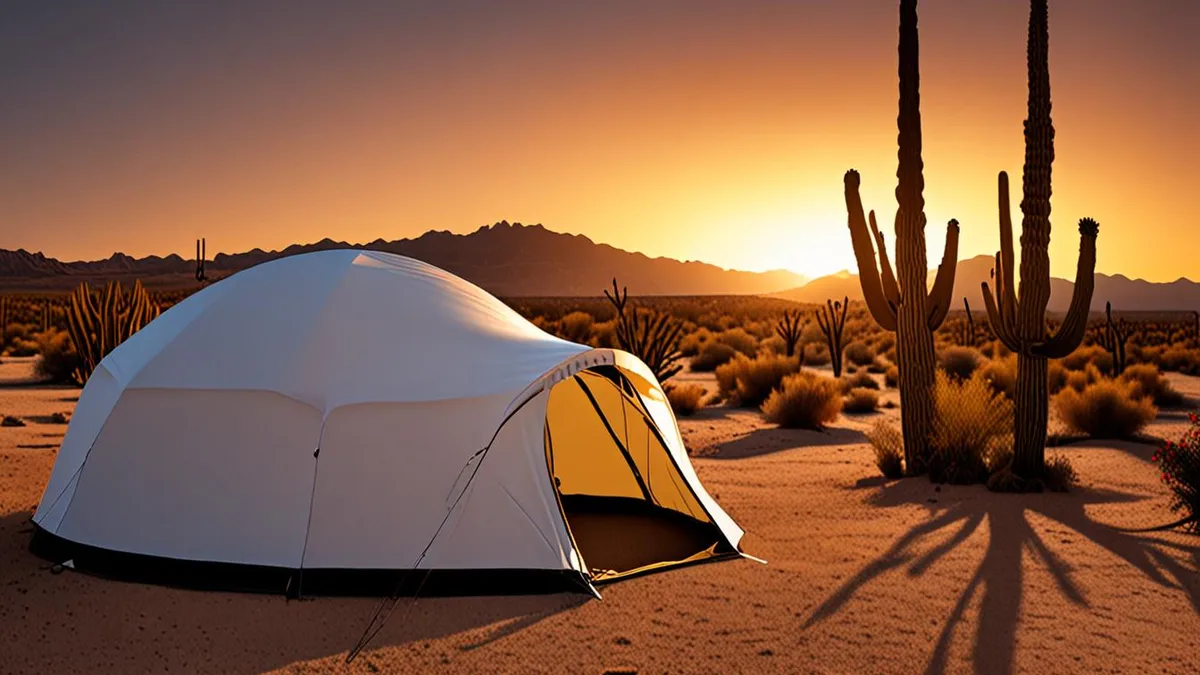
Fall: September to November Stargazing and Cooler Nights
Fall might be the Southwest’s most underrated season. From September through November, daytime highs typically run in the 70-90°F range, warm enough for pool time and short sleeves but far below summer’s punishing peaks. Evenings turn crisp, and that temperature drop is exactly what makes fall glamping so pleasant: you get comfortable days and cool, sleep-friendly nights in the same trip.
Fall also delivers the clearest dark-sky stargazing of the year. Summer’s monsoon haze and clouds fade away, humidity drops, and the air turns transparent after sunset. From a dark campsite outside Sedona or near Moab, the Milky Way is often visible to the naked eye, and many glamping operators lean into it with fire pits, telescopes or clear-roofed domes. If stargazing is on your list, plan your nights around a new moon for the darkest skies.
Crowds, festivals and quieter trails
The trade-off is popularity. October rivals April for crowds and rates, and that’s especially true around Moab and Santa Fe, where cool weather draws hikers, mountain bikers and leaf-peepers from all over. Book well ahead for October weekends in those hubs.
September and November are the smart workarounds. Early September still carries some summer warmth, while November brings cooler days and colder nights, but both months see thinner crowds and often softer prices. Fall also coincides with harvest festivals across the region, from Chile harvest celebrations around Santa Fe to farm events in Utah, and popular trails that were packed in summer become noticeably quieter once school is back in session. If you want the season’s beauty without October’s intensity, aim for the edges of it.
Summer Heat and Monsoon: What to Expect June Through August
Summer is the season that tests both glampers and their gear. In low-desert locations like Sedona and Lake Havasu, daytime highs regularly top 100°F (38°C), and a canvas tent or geodesic dome sitting in full sun can climb well above the ambient temperature. Without dependable shade and air conditioning, midday inside a tent can be genuinely uncomfortable, so check cooling setups carefully before committing to a summer stay.
Monsoon season: dramatic skies and real risks
From roughly July to mid-September, the Southwest’s monsoon season transforms otherwise clear afternoons into theater. Towering clouds build by early afternoon, then deliver spectacular lightning shows and short, intense downpours. The beauty is real, but so is the danger: flash floods can develop quickly in washes and slot canyons, so always heed local warnings, never camp in a low-lying drainage, and ask your host how the site handles heavy rain.
Go high for cooler nights
Summer glamping works best at elevation. Flagstaff, at around 7,000 feet, stays pleasantly mild while the low desert bakes, and nights there remain cool enough for comfortable sleep. The trade-off is simpler than you might expect: because demand drops in the heat, many operators cut rates by 20-40% compared with peak season. If you can plan around afternoon storms and choose a high-elevation or well-shaded site, summer becomes an affordable, uncrowded way to experience the Southwest under monsoon skies.
Winter Glamping: Cold Nights and Budget-Friendly Rates
Winter is the Southwest’s quiet season, and for glampers who plan wisely, it delivers sunshine, solitude and serious savings. From December through February, low-desert areas enjoy bright, sunny days with highs typically in the 50-60°F range, which is ideal hiking weather. The catch comes after sunset: in high-desert spots like Flagstaff, at around 7,000 feet, nights can drop below 20°F (-7°C).
Staying warm after dark
That temperature swing is why structure matters in winter. A basic safari tent will feel every degree of a desert night, so look for heated domes, cabins or units with wood stoves and proper insulation. Many operators specifically winterize their premium units, and these are the ones to target. Ask directly about heating, since a space heater in a drafty tent is a very different experience from a wood stove in a sealed dome.
The value case for winter
Rates in winter typically sit well below peak-season prices, and availability is far easier to find, even on weekends. Popular hubs like Sedona, Moab and Tucson that sell out months ahead in spring often have open calendar slots in January. For travelers who prioritize solitude and savings over perfect sleeping weather, winter is hard to beat: crisp mornings, empty trails, warm afternoons and a fraction of the crowds. Just pack real layers, a warm sleeping setup if the site allows it, and a flexible attitude about evenings spent bundled up under some of the clearest skies of the year.
How and When to Book the Best Southwest Glamping Sites
Glamping in the American Southwest rewards early planners. The best sites in the most popular hubs, from Sedona to Moab, sell out well before the season starts, and rates climb steadily as calendars fill. A little strategy around timing and structure choice goes a long way toward locking in both the site you want and a price you can live with. Before you enter a credit card number anywhere, work through the four steps below.
- Match your lead time to your dates. For spring and fall weekend stays, reserve 3-6 months ahead. If your heart is set on April or October, the two busiest months of the year, push that window out to 6-12 months in advance, since the top-rated sites often fill their prime dates first.
- Consider weekdays in shoulder months. Staying Sunday through Thursday often cuts rates significantly and sidesteps weekend sellouts entirely. Shoulder months on either side of peak season combine lower prices with milder weather and emptier trails.
- Verify climate control before you pay. Desert conditions swing sharply by season, so confirm exactly what heating and cooling each unit offers. A dome that is perfect in October may be miserable in July without air conditioning, or in January without a real heat source.
- Read the weather-cancellation policy. Monsoon storms, flash-flood warnings and winter cold snaps can all force closures or unsafe conditions. Know in advance whether you can reschedule or get a refund if the weather turns, rather than discovering the terms after a storm rolls in.
Once you have your dates and structure sorted, book directly with the operator when possible rather than through a third-party platform. Direct bookings often come with more flexible rescheduling terms, and the operator can answer specific questions about shade, water access and unit placement that a listing page never covers. Set a reminder to reconfirm your reservation a week or two before arrival, especially for trips that depend on seasonal weather patterns. The Southwest’s best glamping experiences are worth the planning, and travelers who reserve early consistently get the best sites, the best rates and the best weather windows. A short phone call and a calendar reminder cost nothing, and they can easily be the difference between the trip you pictured and a compromise you settled for.
Choosing Your Season: A Quick Recap
So when can you actually sleep outdoors in the desert without sweating through the night or shivering until sunrise? The answer comes down to two windows: spring (March-May) and fall (September-November). These are the prime months for glamping in the American Southwest, when daytime temperatures stay comfortable and the nights are cool but manageable.
That said, the shoulder seasons have their place. Summer suits high-elevation travelers who want cooler nights and lower rates, while winter suits budget travelers who don’t mind trading mild evenings for savings and solitude. Both come with trade-offs, so pick the season that matches your priorities. Whatever you choose, booking 3-6 months ahead secures the best sites and rates in peak months. If this helped you plan your trip, leave a comment or share the article with a fellow traveler.