Three glamping stays can look equally romantic in photos: a canvas safari tent glowing on a deck, a round yurt under a mountain sky, a dome with a panoramic window. But the safari tent vs yurt vs dome decision matters more than you might think. Pick the wrong one for your climate, group size or budget, and a dreamy escape can turn into a sweaty, cramped or overpriced disappointment.
This guide breaks down exactly how the three structures differ, how much space each one offers and which weather they handle best. We will compare typical nightly prices, walk through how to book the right unit, and show you which landscapes suit each stay type. By the end, you will know whether your next trip calls for a breezy canvas veranda, a cozy circular room or a glass-fronted dome with a view.
Safari Tent vs Yurt vs Dome: The Core Differences
The three most popular glamping structures look similar in photos but deliver completely different experiences. The difference starts with the materials, and materials shape everything: how warm you sleep, how much you hear the wind and how big the space feels.
Safari tents: canvas on a solid frame
A safari tent is a large canvas structure stretched over a fixed frame, usually offering 40–60 m² of space. Most come with a veranda, proper beds on real frames and often furniture you would expect in a lodge rather than a tent. The canvas breathes, so air moves through the space and you feel connected to the outdoors in a way no solid wall allows.
Yurts and domes: two very different curves
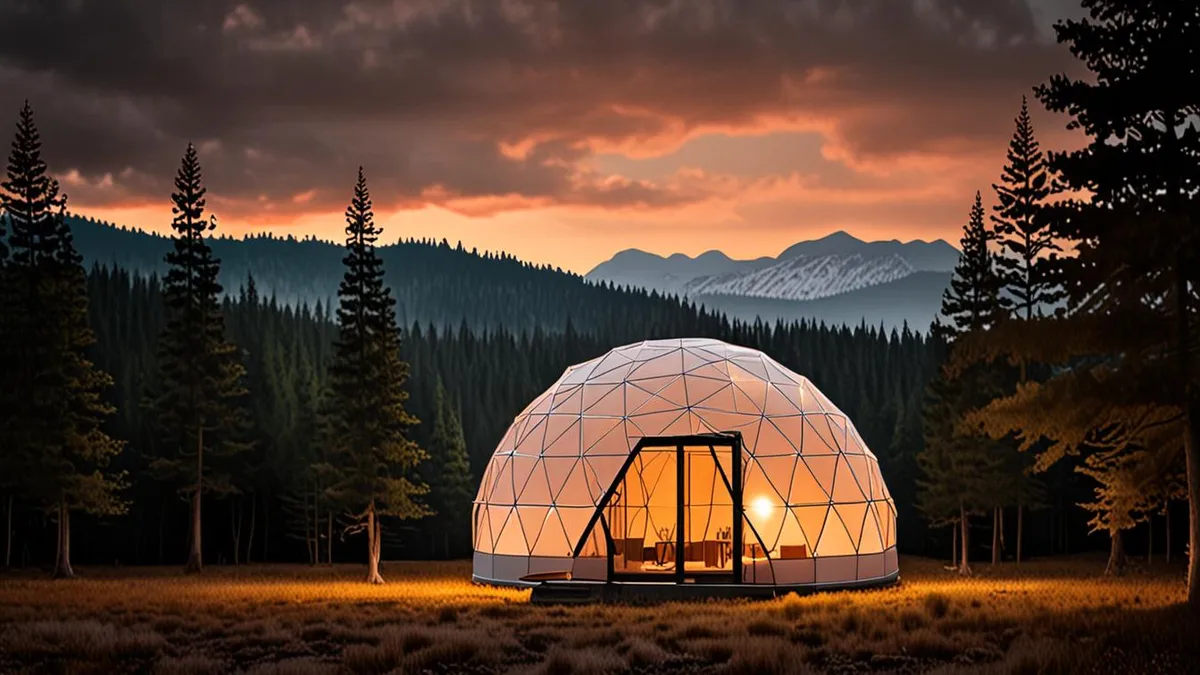
A yurt is a circular structure built from a lattice wall covered in felt or insulated fabric, topped with a central dome skylight. That construction traps warmth remarkably well, which is why yurts have been the traditional shelter of cold, windy steppe regions for centuries. A geodesic dome, by contrast, is a shell made of triangular panels, often with a large panoramic window. It feels futuristic and puts the view front and center.
In short: canvas breathes, yurts trap warmth, domes maximize views. Once you know which of those three matters most for your trip, the choice becomes much easier.
Space and Layout: Which Stay Fits Your Group
Space is where these three stay types separate clearly. A safari tent gives you the most room to move, often 40–60 m² including decks, with separate sleeping areas and a veranda for morning coffee. That layout makes it the natural pick for families with kids or groups of friends who do not want to whisper in the dark after one person goes to bed.
Yurts and domes are more intimate. A yurt is one open circular room that typically sleeps 2–4 people, and a dome is usually designed for a couple, though some two-bedroom dome models reach around 35 m². Neither gives you doors to close between sleepers, so think about who is traveling with you before you book.
- Privacy needs: if teenagers or in-laws are coming along, a safari tent’s separate sleeping compartments spare everyone the awkwardness of sharing one open room.
- Luggage and gear: a large safari tent absorbs suitcases, strollers and hiking packs; in a dome, bags tend to stack in the corner of the one room.
- Romance factor: a dome’s single circular space and panoramic window create a cocoon-like feel that larger structures cannot match.
- Work or downtime: if one of you reads late while the other sleeps, a multi-room safari tent lets you split up; a yurt means coordinating bedtime.
The rule of thumb is simple: couples who want space to spread out should lean toward a safari tent, while couples who want coziness should pick a dome. Yurts sit in between, best for couples or small families who enjoy sharing one warm, round room.
Climate and Season: Matching the Structure to the Weather
Weather is the single biggest factor in whether your glamping trip feels magical or miserable. Each structure has a season where it performs best, and booking outside that window is where most disappointments happen.
Canvas and rain: a risky combination
Safari tents shine in dry seasons, when the breathable canvas and open veranda make the most of warm, clear weather. Heavy rain is their weak point: water can seep along canvas seams, and a damp tent with wet bedding is nobody’s idea of luxury. If you are traveling anywhere with a monsoon or heavy wet season, avoid those months for a canvas stay. Before booking any canvas structure, check the average rainfall for your destination in your travel month; it takes five minutes and can save the whole trip.
Yurts for cold, domes for mild and windy
Yurts are the cold-weather champion. Their lattice-and-felt construction insulates well, and in cold regions they stay comfortable from roughly October to April, often with a wood stove at the center. If snow is part of your dream trip, a yurt is the safest bet of the three.
Domes handle wind well thanks to their aerodynamic shape, but the large windows and panel shell can heat up in direct sun. That makes the milder months, roughly May to September in mountain areas, the sweet spot for a dome stay. In high summer at low altitude, ask the operator about shading or cooling before you commit.
Price Comparison: What Each Stay Type Costs
Price is often the deciding factor between these three stay types, and the good news is that glamping covers a wide budget range. Yurts are usually the most affordable option, typically running $100–$250 per night depending on location and size. Domes sit in the middle at $120–$350 per night. Safari tents are the premium choice, with peak-season rates of $150–$400 per night.
That said, the spread within each category is wide. A basic yurt at a small mountain site can cost a fraction of a luxury dome perched on a hillside, and the most expensive safari tents often resemble fully serviced hotel suites. Within each type, two features push rates toward the top of the range: a private bathroom and a standout view. A dome with a panoramic window facing a valley can easily cost double what an identical unit facing trees does.
Here is what typically drives the price up or down:
- Private bathrooms: units with en-suite facilities command the highest rates, while shared bathroom blocks usually signal the lower end of a site’s pricing.
- Position on the site: units at the edge of a property, or on a rise with an open outlook, are often priced above identical units closer to the entrance.
- Season length: in destinations with a short high season, operators concentrate their peak pricing into a few weeks, so shoulder-season dates can cost noticeably less for the same unit.
- What is included: some rates cover meals, activities or airport transfers, which can make a higher nightly price better value than a cheaper self-catering option.
Before comparing prices between sites, check exactly what each rate includes and whether bathrooms are private or shared. Two stays at the same headline price can feel very different once you know what you are actually getting.
How to Book the Right Glamping Stay
Glamping sites are small, and the most photogenic units often have only one or two of each structure type. That means a little preparation before you pay can be the difference between a dream stay and a disappointing one. Here is a simple order of operations to follow before you hand over your card details.
- Book early for summer travel. Reserve 2–4 months ahead if you want warm-season dates. The best units, usually those with the biggest decks or the most impressive views, tend to sell out first, so late bookers often end up with the leftovers.
- Clarify the bathroom situation. Read the listing carefully and, if it is unclear, message the host directly. Some safari tents and yurts share a bathroom block with other guests, while others have private en-suite facilities. This single detail affects both the nightly rate and how comfortable you will feel, so confirm it before paying.
- Ask about heating and cooling. Yurts and domes often come with a wood stove, heater or air conditioning built in. Canvas safari tents, on the other hand, may have none at all, which can matter on chilly nights even in summer. A quick question now saves a shivering one later.
- Check the exact location and access. Many glamping sites sit 30–60 minutes from the nearest town, sometimes down gravel or dirt roads. If you are renting a car, ask whether the access road is suitable for a small vehicle, and note the drive time for planning meals and activities.
Taking twenty minutes to work through these checks pays off once you arrive. You will know exactly what you paid for, what the weather will feel like inside your structure, and how remote the site really is. Glamping rewards the prepared traveler, and a few direct questions to your host usually get faster, more honest answers than any listing page.
Where Each Stay Type Works Best
Safari tents feel most at home in open savanna and reserve landscapes, where the wide veranda and canvas walls echo the classic East African camps that inspired them. On a grassland or game reserve, stepping onto a wooden deck at dawn with acacia trees in the distance is part of the experience. A safari tent dropped into a dense pine forest loses some of that magic, because the format was designed around big skies and long sightlines.
Yurts belong to steppe, mountain and cold-climate destinations. Their circular lattice-and-felt design evolved on the Central Asian steppe, and that heritage shows: they hold heat well, which is why they stay comfortable from roughly October to April in cold regions. A yurt on a snowy plateau or a windswept mountain meadow feels authentic rather than novelty, and the central skylight makes sense when you’re lying in bed watching snowfall.
Why domes love a clearing with a view
Geodesic domes shine in forest clearings, on hillsides and in dark-sky areas, where the panoramic window becomes the whole point of the stay. Set one on the edge of a meadow facing a mountain range, and you can watch the light change from bed. In stargazing country, a clear dome or large window turns the night sky into entertainment.
The practical takeaway is to match the structure to the landscape rather than forcing one type onto every site. A dome crammed between trees with no view wastes its best feature, while a safari tent in a windswept, treeless spot may struggle in exposed weather. Before booking, look at site photos and ask which direction the window, deck or skylight faces — the setting matters as much as the structure itself.
The Bottom Line: Picking Your Perfect Glamping Stay
The right choice comes down to matching the structure to your trip. Families and dry-season travelers get the most from a spacious safari tent at $150–$400 per night, where the extra room and deck make longer stays comfortable. If you’re watching your budget or traveling in colder months, an insulated yurt at $100–$250 per night keeps you warm without stretching your wallet.
Couples chasing wide-open views in mild May–September weather will love a dome at $120–$350 per night, especially when that panoramic window frames a forest or dark-sky horizon. Whichever type you pick, booking 2–4 months ahead is what secures the best unit before it’s gone. Choose for your climate, your group and your budget, and any of the three can deliver a memorable night under canvas, felt or glass. Have a favorite? Tell us in the comments or share this article with a fellow traveler.