Many travelers book a luxury villa in Seychelles based on photos alone, then arrive to find choppy seas, strong onshore winds and rates they did not expect. The problem is rarely the villa itself. It is the month. Seychelles does not have a simple dry and wet season, so picking dates without understanding the wind patterns can quietly ruin boat trips, snorkeling plans and beach days you assumed came standard.
This guide breaks down how the seasons actually work and which months suit which kind of trip. We cover the two monsoons and the calm transition months in between, what December to March means for prices and crowds, why June to September attracts hikers and deal hunters, and how your choice of island and even which side of the island interacts with the season. We also map out realistic booking lead times, from the 6-12 months needed for peak-season villas to the shoulder months that can cut rates by roughly 20-30%. By the end, you should be able to match your travel style to the right month with confidence.
Understanding Seychelles Seasons Before You Book
The first thing to understand about Seychelles weather is that it does not follow the classic wet-versus-dry pattern you find in many tropical destinations. Instead, the islands sit between two monsoon systems, and each one shapes the seas and beaches differently. The northwest monsoon runs from December to March, bringing warmer, more humid conditions and occasional heavy rain. From June to September, the southeast trade winds take over, cooling things down and stirring up the water on exposed coasts.
Between these two systems come the transition months: April-May and October-November. These are widely considered the calmest stretches of the year, with the least wind and the flattest seas. If your dream involves a glassy ocean lapping at your villa’s private beach, these windows are when it is most likely to happen.
Why temperature is not the deciding factor
Here is the part that surprises many first-time visitors: temperatures barely move all year. Daytime readings typically stay between 26-31°C regardless of the month, so you will never need a jacket for the cold. What actually changes is wind, rainfall and sea conditions. A villa that feels perfect in calm April can feel windswept in July if it faces the wrong direction. That is why choosing your season is really about choosing your sea state, not your wardrobe, and it is also why the same villa can deliver two very different experiences depending on when you arrive.
April-May and October-November: The Calm Season Sweet Spot
If your ideal Seychelles day involves calm water rather than dramatic waves, the transition months of April-May and October-November are hard to beat. With both monsoon systems at their weakest, the seas flatten out into the glassy conditions photographers chase, and the wind drops to a whisper. For anyone staying at a private villa with its own stretch of beach, this means the ocean in front of your terrace is genuinely swimmable rather than merely scenic.
Snorkeling and diving from your villa
Calm seas do more than look pretty. They dramatically improve underwater visibility, which is exactly what you want for snorkeling and diving off the reef near your villa. October-November in particular often delivers the best water clarity of the year, making it a prime window for exploring coral gardens directly from villa beaches without needing a boat transfer first. Fish life is easier to spot when you are not fighting current or stirred-up sand.
These months also suit travelers who plan to build their days around water activities. Boat trips to nearby islands run more smoothly in calm conditions, and swimming beaches stay inviting rather than wind-whipped. If you are browsing options, a property like the Seychelles harbor villa with infinity pool shows the kind of setup that rewards calm-season visits, where the infinity edge and the sea below blend into one flat horizon. In short, if water time is the main purpose of your trip, aim for the transition months and plan the rest of your itinerary around them.
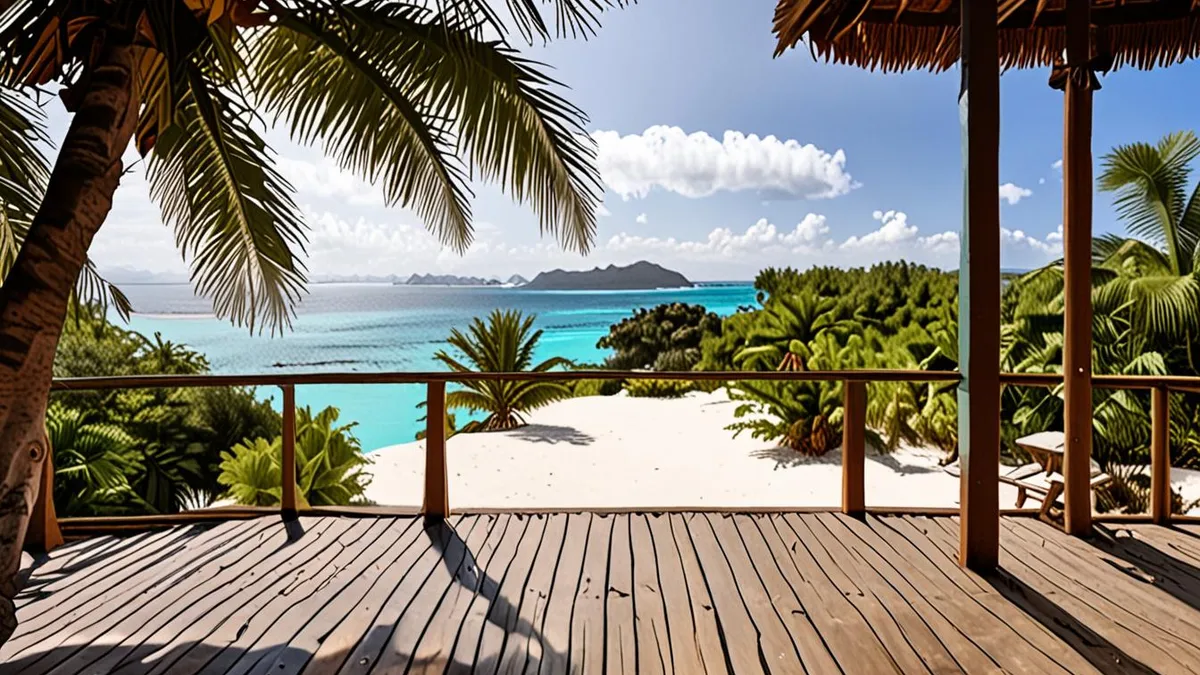
December to March: Warm, Lush and Peak-Priced
The northwest monsoon, running from December to March, delivers the warmest weather of the Seychelles year, with daytime temperatures typically reaching 29-31°C. It also brings the islands at their greenest. Rain tends to arrive as short, heavy showers rather than all-day drizzle, and the vegetation responds with lush foliage that makes villa gardens and surrounding hillsides look their best. For many travelers, this combination of heat and tropical drama is exactly the Seychelles they imagined.
There is a trade-off, though. The monsoon brings wind and swell to exposed coasts, so the sea on some beaches can be choppy rather than calm. Where your villa faces matters far more in these months than in the transition periods, and choosing a sheltered location is the single most effective way to enjoy the warm season without fighting the conditions.
Why mid-December to early January costs more
This stretch is the peak of the Seychelles season. Villa rates reach their highest levels of the year and availability drops to its lowest, especially for the most desirable private properties. If you want a top villa over the festive period, booking 6-12 months ahead is the realistic window, not a luxury.
How to pick a sheltered villa location
- Face away from the northwest wind: Villas on north- and west-facing coasts sit on the sheltered side during the monsoon, so their beaches stay calmer while exposed south- and east-facing shores take the chop.
- Beau Vallon on Mahé: This long, well-known beach on Mahé’s northwest coast is a classic monsoon-season choice, with a range of villa options and a sheltered swimming stretch.
- Anse Volbert on Praslin: On Praslin’s northeast coast, Anse Volbert sits in a sheltered position during the northwest monsoon, making it a reliable pick for calm water while the warm months run.
June to September: Trade Winds, Lower Humidity and Deals
When the southeast trades arrive in June, Seychelles shifts character. Days cool to a comfortable 26-28°C, humidity drops noticeably, and June to August is typically the driest stretch of the year. If you found the December heat oppressive on a previous tropical trip, this is the season that will feel easiest.
The trade-off is wind. South-facing coasts catch the full force of the trades, and along with the breeze comes seaweed washing up on some beaches. That does not make these months a bad villa choice; it just makes orientation the most important decision in your booking. A villa on a sheltered north coast or beside a calm lagoon can feel like an entirely different island than one a few kilometers around the bend.
Who should aim for this window? It suits active travelers far better than it suits pure beach-loungers, and rates tend to sit well below the festive peak. Consider it if you fit one of these profiles:
- Hikers: cooler air and drier trails make this the most comfortable time for longer walks, such as the ridge routes on Mahé or the climb to Curieuse and other excursions from Praslin, without the heavy humidity of the monsoon months.
- Surfers: exposed breaks pick up consistent swell and offshore-influenced winds in this season, so a villa within reach of a south or southeast-facing break makes sense if riding waves is the point of your trip.
- Breeze-lovers: if you’d rather have steady airflow than still, heavy heat, the trades keep evenings pleasant and make sleeping easy, even in villas that rely on fans rather than constant air conditioning.
- Budget-conscious travelers: demand dips outside the December-January rush, so villa owners and managers are often more open to negotiation on longer stays during these months.
How Season and Island Choice Work Together
Seychelles is not one destination but three very different villa islands, and the best month for you depends heavily on which one you pick. Mahé has the widest villa selection and the advantage of the international airport, which makes it the natural choice if you want to land and be at your pool within the hour. Praslin suits travelers after quiet beach villas and a slower rhythm, while La Digue is car-free and intimate, best experienced on foot or by bicycle.
Match the island side to the monsoon
On Praslin and La Digue, orientation matters more than most travelers realize. East-facing beaches are sheltered during the northwest monsoon from December to March, so they stay swimmable when the west coasts catch chop. When the southeast trade winds arrive from June to September, the situation flips and the west coasts come into their own. If you already know your travel dates, choose the side of the island that faces away from the prevailing wind.
Plan your transfer day realistically
Getting to Praslin from Mahé takes either a 15-minute flight or a 45-60 minute ferry crossing. That sounds simple, but ferry schedules, check-in times and villa handovers all eat into your day, and the crossing can be lively when the trades are strong. Whichever season you travel in, build generous transfer time into your arrival day rather than planning a same-day excursion, and confirm current flight and ferry times with your operator before you fly.
When to Book a Luxury Villa in Seychelles
Luxury villas in Seychelles are finite inventory. The best properties have a handful of units, sometimes just one, and the weeks around the festive period disappear first. Timing your booking well matters as much as timing your trip itself.
Peak season: book far ahead or lose out
If you want a top villa between mid-December and early January, treat the reservation the way you would treat a wedding venue, not a hotel room. The most sought-after properties are often booked almost a full year out for those weeks. Reserve early and you get your pick of layouts, views and staffed options; leave it late and you are choosing from whatever other guests declined. Availability, not price, is the real constraint at this time of year.
Shoulder months: value with less lead time
Traveling in May or October-November changes the math completely. These shoulder dates can cut roughly 20-30% off the nightly rate compared to December-January, and a few months’ notice is usually enough to secure an excellent villa. You also get the calmest sea conditions of the year as part of the bargain, which is why these months reward both your wallet and your itinerary.
One caution: do not count on last-minute discounts for top-end private villas in high season. Owners with a single premium property rarely need to slash rates when demand is strong. If budget is the driver, flexibility on your dates works far better than waiting for a price drop that may never come. Shifting your stay by a week or two into the shoulder season will typically save you more than any late deal ever would.
Matching Your Trip Style to the Right Month
Most villa disappointments in Seychelles come down to one thing: booking for the wrong conditions. Rough seas, strong winds and peak prices all have a season, and once you know which is which, the guesswork disappears.
The short version: calm-water and snorkelling trips fit best in April-May or October-November, wind-and-cool weather and the best value align with June-September, while celebration trips and festive holidays suit December-January. The right answer combines season, island side and booking lead time, all of which the sections above map out. If this helped you plan your trip, leave a comment or share the article with a fellow traveler.