Choosing between a villa vs overwater bungalow in Bora Bora is the decision that shapes your entire trip, and it is not an easy one. Hillside villas offer sweeping lagoon views, generous space and noticeably lower nightly rates, while the iconic overwater bungalow sits above turquoise water with a ladder straight into the lagoon, often at double the price per night.
This guide breaks the choice down piece by piece. We compare the core differences between the two stay types, run through what each really costs including food, look at privacy, space and views, explain how location and boat transfers affect your days, and cover the best seasons and booking lead times. We finish with clear advice on which option fits honeymoons, groups, longer stays and tighter budgets, plus a quick summary of the key takeaways so you can book with confidence.
Villa vs Overwater Bungalow in Bora Bora: The Core Differences
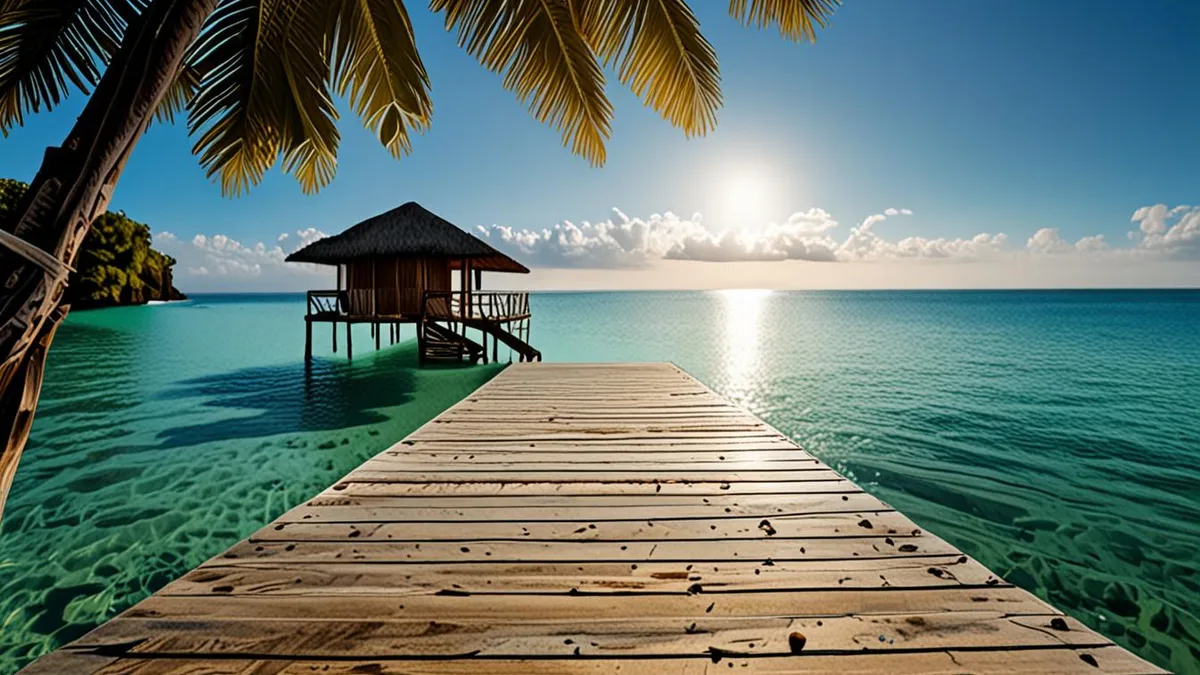
Choosing between these two stay types comes down to one fundamental difference: where you sleep relative to the water. Overwater bungalows sit on stilts above the lagoon, and their defining feature is direct water access, usually a private ladder or steps leading from your deck straight into the sea. Villas, by contrast, sit on solid ground, either on the main island or on one of the smaller motus that ring the lagoon, giving you land-based privacy, gardens and often more of a residential feel.
Size and layout
Space is where the two options diverge sharply. Overwater bungalows average 55-110 sqm, which is comfortable for a couple but rarely more. Private villas often span 150-400 sqm, and the larger ones come with full kitchens, multiple bedrooms and living areas that make a week-long stay feel effortless.
What you trade
Villas give up the water-at-your-doorstep experience in exchange for space, hillside views of Mount Otemanu and lower nightly rates. If stepping off your deck into the lagoon is the whole point of your trip, a bungalow wins. If you want room to spread out, cook your own meals and wake up to a panoramic view, a villa makes a strong case.
One more detail worth knowing before you decide: the lagoon itself stays warm enough for swimming any month of the year, with water temperatures around 26-29°C. That means the appeal of a bungalow ladder is not limited to the dry season months. Whichever style you pick, confirm the exact layout and features of your specific unit when booking, since individual bungalows and villas within the same property can differ in orientation, deck size and view.
Price Comparison: What Each Stay Type Really Costs
Price is usually the deciding factor in the villa vs overwater bungalow debate, and the gap is hard to ignore. In high season, expect to pay roughly $800-$1,500 per night for an overwater bungalow at a resort, while a private villa typically runs $400-$900 per night for far more square meters. On a week-long trip, that difference can easily add up to thousands of dollars, which is real money even in a destination where everything costs more than you planned.
The nightly rate is not the whole story, either. Villas let you self-cater, which slashes food costs in a destination where restaurant meals are genuinely expensive. Resort bungalows effectively lock you into resort dining, since there is rarely anywhere else to eat once you are out on a motu. Low season, from November to April, brings meaningful rate drops on both stay types, and on a bungalow’s higher base rate that discount can suddenly push the once-in-a-lifetime option into your budget.
Before you compare quotes, look closely at what each rate actually includes. Meal plans, boat transfers and resort fees can change the math more than the room category itself, so run the numbers on total cost per stay rather than the headline nightly price.
- Self-catering savings: A villa kitchen lets you prepare breakfast and several dinners yourself, which can save a meaningful amount each day compared with resort meal plans.
- Meal plan math: Many resorts require or heavily push half-board or full-board packages for bungalow guests, so check whether quoted rates include food before comparing prices.
- Shoulder-season timing: Low-season discounts apply to both stay types, but they matter most on bungalows, where the base rate is highest.
Privacy, Space and Views: Where Each Option Wins
Privacy and views play out differently depending on which option you pick, and each has a clear win. Hillside and ridge villas sit above the lagoon, so they deliver panoramic views across the water toward Mount Otemanu, often enjoyed from an infinity pool or a deck far larger than anything on a bungalow. Because villas are spaced out on land with gardens and elevation between them, you rarely see or hear your neighbors. A good example of this style is the Bora Bora ridge villa with infinity pool, which shows how dramatic the elevated vantage point can be.
The bungalow’s seclusion
Overwater bungalows deliver a different kind of privacy: total seclusion per unit. Each bungalow is its own detached structure over the water, so you have no shared walls and no one walking past your terrace. Add glass-floor panels for watching fish below and a ladder straight into the lagoon, and the experience feels wonderfully isolated even at a large resort.
Who suits which
Villas suit groups and longer stays, thanks to multiple bedrooms, kitchens and living space that keeps everyone comfortable for a week or more. Bungalows suit couples on short trips, where the romance of being over the lagoon matters more than extra square meters.
Location and Access: Main Island, Motus and Boat Transfers
Where you stay in Bora Bora shapes how you’ll spend every day, because the lagoon and the island are separated by geography. Most overwater bungalows sit on motus, the small islets scattered around the lagoon, which means every arrival and departure involves a boat. Resorts on the motus are typically a 15-30 minute boat transfer from both the main island and the airport, and that ride becomes part of your daily rhythm whether you’re heading out for dinner or catching a flight home.
Villas on the main island work differently. From a base near Vaitape, you can walk or drive to shops, casual restaurants and car rental desks without booking a shuttle or waiting for a resort boat. That independence matters if you plan to grocery shop, explore the island’s viewpoints or eat out at different spots each night. The trade-off is that the water is a destination, not a step off your deck.
Water access is the clearest daily difference. From an overwater bungalow, snorkeling starts the moment you climb down your ladder, and you can slip into the lagoon before breakfast or at sunset. Villa guests drive to public access points along the lagoon road, which means packing gear, parking and timing your swim around daylight and crowds.
- Boat transfers usually need to be scheduled with your resort, so late flights or spontaneous dinners off-property require coordination rather than a quick drive.
- Motu resorts often feel like self-contained worlds, which suits travelers who want to stay put, while main-island villas suit those who like to roam.
- Public lagoon points on the main island can be busy midday, so villa guests typically get the calmest water early in the morning.
- If you’re prone to seasickness or traveling with small children, factor the daily boat rides into your comfort level before choosing a motu resort.
When to Book: Seasons and Lead Times
Bora Bora’s high season runs from May to October, when the weather is dry, sunny and noticeably cooler. This is when the island is at its best, and when everyone else wants to be there too. If an overwater bungalow is non-negotiable for your trip, start booking six to nine months ahead. The number of bungalows on the island is limited, and the most sought-after ones sell out early for peak months.
Villas follow a more forgiving timeline. In high season, aim to book three to six months ahead, and you should still find good availability across different neighborhoods and view types. Because villas come in many shapes and sizes, owners and agencies often have openings even closer to your travel dates. If you’re flexible about exact location and amenities, a last-minute villa booking in high season is realistic, though you may pay more than someone who planned ahead.
Traveling in the Low Season
From November to April, Bora Bora shifts into its humid, wetter stretch. You can expect rain showers, stickier air and the occasional overcast day, but also the lowest rates of the year on both stay types. The lagoon stays warm all year, so swimming and snorkeling remain very much on the menu between showers.
This is the window where spontaneous travelers get lucky. Overwater bungalows that would be impossible to book a month out in July sometimes sit available in February, and villa owners often discount to fill their calendars. If your dates are flexible and you don’t mind packing a light rain jacket, the low season stretches your budget considerably. Just check cancellation policies carefully, since weather can be less predictable than in the dry months.
Which Should You Choose?
If you’re planning a honeymoon and want that iconic Bora Bora moment, the overwater bungalow is the classic pick. Stepping off your deck straight into warm lagoon water, with a glass panel under your feet, is the kind of experience most couples only get once. The warm water around 26-29°C year-round makes morning swims easy, and many resorts build honeymoon touches like private dinners on your deck. If the trip is short and the budget can stretch, book the bungalow.
A villa makes more sense when space matters more than bragging rights. With 150-400 sqm of room, a kitchen, and often a pool, a villa suits families, groups of friends, or couples staying a week or longer. Self-catering breakfasts and a few dinners at home can noticeably reduce your food bill compared with resort dining, and the savings grow with every extra night.
Budget-conscious travelers often do both. Splitting the stay lets you enjoy the villa lifestyle without giving up the overwater experience entirely.
- Order matters: Save the bungalow for your final nights so the trip ends on a high note, rather than feeling like a downgrade after the overwater stay.
- Match the split to your budget: Two or three bungalow nights at the end of a week-long villa stay keeps the splurge manageable while still delivering the lagoon-ladder experience.
- Use the villa nights well: Stock the kitchen, rent a car, and explore Vaitape and the island’s public beaches before you settle into the resort bubble.
- Book both early: High-season bungalow availability is tight, so reserve the overwater portion 6-9 months ahead even if the villa nights come together later.
Final Takeaways
So, which should you book? If the overwater bungalow is the dream, expect to pay roughly double per night for direct lagoon access in 55-110 sqm of space. It is the classic Bora Bora experience, best suited to couples on a shorter, splurge-worthy trip.
If you want more room for your money, a villa delivers 150-400 sqm at $400-$900 per night, with hillside views of the lagoon and the option to self-cater. Whichever you lean toward, timing matters: book 6-9 months out for a high season bungalow, or 3-6 months for a villa. If this helped you decide, leave a comment or share the article with your travel partner.