Choosing a private villa in the Maldives sounds simple until you actually start looking. With hundreds of private villas scattered across 26 atolls, it is hard to know which island, villa type and season actually fit your budget and travel style. Two villas with similar photos can differ wildly in house reef quality, privacy, transfer time and price per night.
This practical guide breaks the decision into manageable steps. We will look at why the research matters, how to pick the right season for your dates, how to choose an atoll based on transfer time and purpose, whether an overwater or beach villa suits you better, how to set a realistic budget, and when to book. By the end, you should be able to turn a confusing list of options into a shortlist of two or three clear candidates.
Why a Private Villa in the Maldives Is Worth the Research
The Maldives has more than 150 resort islands, and no two are alike. Villa quality, privacy levels and house reef condition can vary enormously between atolls, even among properties charging similar rates. A villa that looks identical in a brochure might sit above a vibrant coral garden on one island and a bare sand lagoon on another.
Getting the choice wrong is expensive in two ways. Pick the wrong villa type and you can add hundreds of dollars per night for space or features you never use. Pick the wrong season or the wrong transfer schedule and you can lose a full day of sunshine to rain or an unexpected overnight stop near the airport.
Five steps to a better decision
The good news is that the decision breaks down neatly into five steps: season, atoll, villa type, budget and booking timing. Work through them in order, because each choice narrows the next one. Your travel dates determine which atolls make sense, your atoll shapes the villa types available, and all of it feeds into your budget and booking window. Do that, and what starts as an overwhelming list of options becomes a shortlist you can actually compare.
Pick the Right Season for Your Travel Dates
The Maldives has two distinct seasons, and your travel dates shape everything else. November to April is the dry season, with calm seas, reliable sunshine and full prices. May to October brings short rain showers, rougher seas and discounts of 30 to 50 percent on villa rates. Neither season is objectively better; it depends on what you want from the trip. If your plan centers on long days on the deck and glassy lagoon swims, aim for the dry months. If you care more about value than perfect weather, the wet season deserves a serious look.
Surfers and divers often prefer the May to October swell season on certain atolls, despite the rain risk. Channels on the eastern side of the country pick up consistent swells, and visibility on some dive sites can be excellent in this window. If your priority is the water rather than the weather, the wet season can be the smarter and cheaper choice. Many divers also enjoy quieter boats and more availability at popular sites during these months.
- Festive weeks cost more and demand longer stays. Around Christmas and New Year, many resorts apply peak rates and require minimum stays of 3 to 5 nights, so a short festive trip often costs more than a full week in shoulder months.
- Shoulder months soften both risks. Late April and early November can offer a mix of mostly dry weather and rates below peak levels, though conditions vary year to year.
- Rain in the wet season is usually short. Showers often pass within an hour or two, which is why many travelers still consider May to October good value rather than a write-off.
- Check the forecast pattern, not just the season. Wet-season weather can still deliver stretches of blue sky, so a flexible mindset often pays off.
Choose Your Atoll Based on Transfer Time and Purpose
Transfer time is one of the most overlooked factors when choosing an atoll, and it directly affects how much of your trip you actually spend at the villa. Resorts in the Male and North Male Atoll area suit short stays because they are typically reached by speedboat in 20 to 45 minutes. You can land at Male airport and be unpacked the same afternoon, which makes a three or four night trip feel far less rushed.
Remote atolls like Baa or Addu require a seaplane of roughly 30 to 60 minutes, and seaplanes fly only in daylight, roughly 6:00 to 16:00. If your international flight lands in the late afternoon, you will likely need an overnight near Male before continuing the next morning. Factor that into both your budget and your arrival day plans.
Match the atoll to your goal
Think about why you are going before you fall in love with a property. Snorkelers should prioritize islands with a healthy house reef accessible straight from the shore. Divers do better near channel dives with strong currents and pelagic life. Surfers should look at atolls with breaks nearby, and travelers seeking pure seclusion should accept the longer transfer that remoteness requires. Some properties manage to balance several of these, and reading a detailed review such as a closer look at the Maldives Ridge luxury villa and its infinity pool setting can help you see how a specific island delivers on its promises.
Overwater Villa or Beach Villa: Which Type Fits You
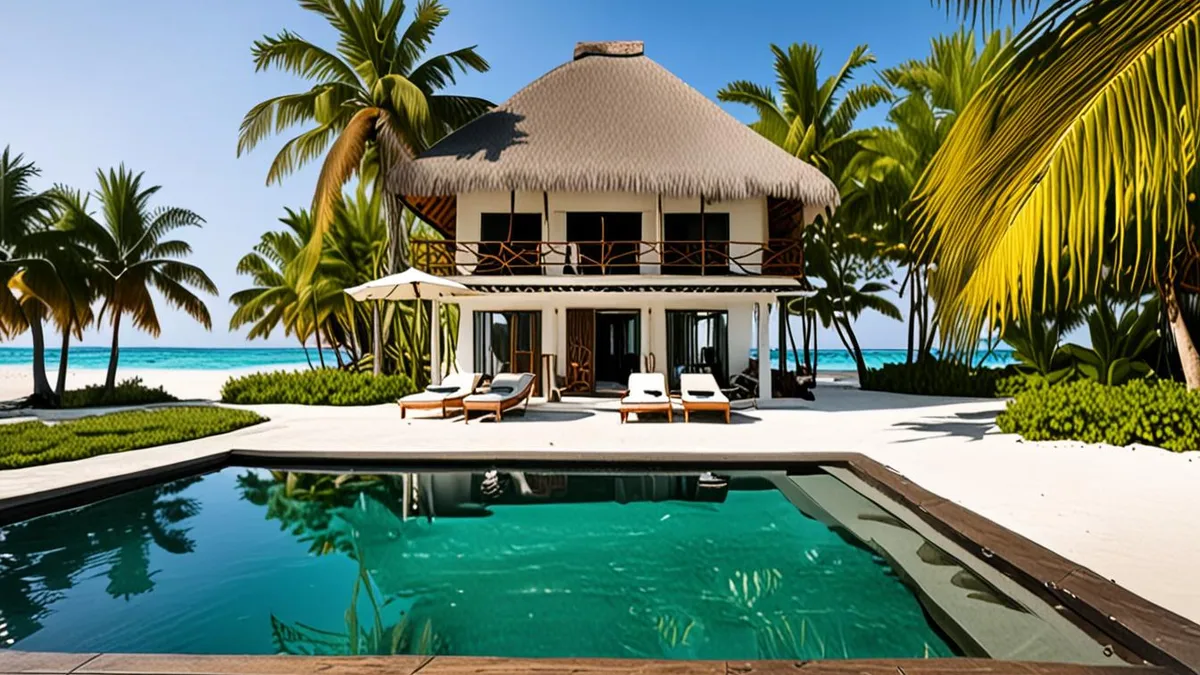
The classic Maldives dilemma comes down to this: do you want to step off your deck into the lagoon, or walk barefoot onto your own patch of sand? Overwater villas, typically 100 to 250 sqm, are the iconic choice. You get uninterrupted ocean views, direct ladder access to the water, and a level of privacy that beach villas rarely match, since no one can walk past your deck.
Beach villas, with entry-level options starting around 80 to 120 sqm, trade the drama of the ocean for practicality. You get shade from palms and planted gardens, a sandy spot for lounging, and easy access without stairs or a long jetty walk. For families with young children or travelers who like to swim, sunbathe and stroll, they are usually the smarter pick.
Overwater villas have one honest drawback: shade. Decks are exposed, and midday sun can be intense, so check whether the villa has a shaded section, a covered plunge pool area or a cabana before committing. Beach villas, meanwhile, can feel less private if the island is small and the vegetation between villas is thin.
Before you book either type, run through these specifics with the resort:
- Private pool: Many overwater villas include a plunge pool, but on beach villas it is often reserved for higher categories. If a pool matters to you, confirm it exists in the exact category you are booking, not just “some villas.”
- Sunset or sunrise orientation: West-facing villas catch the sunset from your deck; east-facing ones give you softer mornings and calmer light. On narrow resort islands, the difference can be significant, so ask which side of the island your villa sits on.
- Lagoon depth at low tide: Some lagoons drain dramatically at low tide, leaving overwater villas above sand or seagrass rather than swimmable water. Ask how many hours a day the water is deep enough to swim, especially if direct access was your main reason for choosing overwater.
- Jetty distance: Overwater villas at the far end of a jetty offer the most privacy but mean a five to ten minute walk to restaurants and the beach. If you plan to move between villa and main island often, ask for a mid-jetty option.
Set a Realistic Budget and Watch the Extras
What a Night Actually Costs
Peak-season villa rates typically run from USD 800 to 3,000+ per night, while the same island drops to roughly USD 400 to 1,500 per night from May to October. That spread means your dates matter more than the resort’s star rating. A mid-range property in high season can cost more than a top-tier one in the wet season, with short rain showers as the main downside.
The nightly rate is only the starting point. Transfers are the biggest surprise for first-time visitors: seaplanes often cost several hundred dollars per person return, so a couple can add well over a thousand dollars to the trip on a remote atoll. Speedboat transfers are usually cheaper, which is one more reason to favor islands close to Male for shorter stays.
Meal Plans and Hidden Extras
A la carte dining on a resort island adds up fast: a simple dinner with drinks can easily rival the cost of a night’s stay at a budget property. That is why all-inclusive or half-board plans usually pay off unless you plan to dine off-property, which is rarely possible on resort islands since there is often nowhere else to eat. Check whether drinks, minibar items, and water sports are included, and ask about taxes and service charges on top of the quoted rate, as these can add a significant percentage to your final bill. Always confirm the current fees and inclusions directly with the resort before booking.
Book at the Right Time and Confirm the Logistics
Getting the booking right is as much about timing and logistics as it is about price. A villa can look perfect on paper, yet a poorly timed flight or a reservation made too late can undo all of that research. Work through the following steps in order and you will avoid the two most common mistakes: paying peak rates you could have dodged, and arriving too late for your transfer.
- Match your booking window to the season. Reserve 6 to 9 months ahead for December to March travel, when the best villas sell out first. For the wet season from May to October, 2 to 3 months is often enough, and late deals do appear.
- Time your international arrival around daylight. Because seaplanes stop flying once the sun goes down, aim to land at Male before mid-afternoon if you want a same-day transfer. If your flight arrives in the evening, plan an overnight near the airport rather than hoping for an exception.
- Confirm transfer schedules before you buy flights. Ask the resort for the exact seaplane or speedboat departure times that align with your arrival, and get the connection confirmed in writing before finalizing your international tickets.
- Compare direct rates with specialist operators. Resort websites sometimes price higher than Maldives-focused travel specialists, who may also bundle transfers or meal plans. Quote the same dates, villa category, and meal plan across both before deciding.
Once your flights and transfer are locked in together, send the resort a short email confirming your arrival time, transfer type, and any villa requests such as orientation or a specific unit number. Put everything in one message so there is a single written record if anything goes wrong later. A final check a week before departure costs nothing and gives the resort time to fix small issues, like a mismatched transfer time or a forgotten meal plan. It also saves you from the most stressful kind of surprise: landing in Male with no transfer waiting. Ten minutes of admin before you fly is a small price for a smooth first day in paradise.
Your Maldives Villa Checklist at a Glance
With so many private villas scattered across the Maldives, the choice can feel overwhelming. But the decision becomes manageable when you work through it in order: pick the season first, then the atoll, then the villa type, and finally set your budget around those choices. Each step narrows the field significantly.
From there, the logistics fall into place. Book early if you are traveling in the dry season, and match your international arrival to the daylight seaplane windows so you are not losing a night near Male. Do these five things and the endless list of islands comes down to a handful of resorts that genuinely fit your dates, your budget and your travel style. If this guide helped you sort through the options, leave a comment or share it with a fellow traveler.